If your dog keeps scratching or gets an upset stomach after meals, it’s hard to know what to check first. A dog food sensitivity test may sound like a quick answer, but the type of test matters. Here are four TotalVet options, what each one checks, and where a home test fits alongside veterinary care.
We analyzed 35 YouTube comments about dog food sensitivity tests and found that 26% mentioned lack of scientific validation.
1. Dog Allergy Test
Dog Allergy Test is a mail-in blood test for dogs and cats. It’s best for owners who want to screen for possible food and environmental triggers, then discuss the report with their veterinarian.
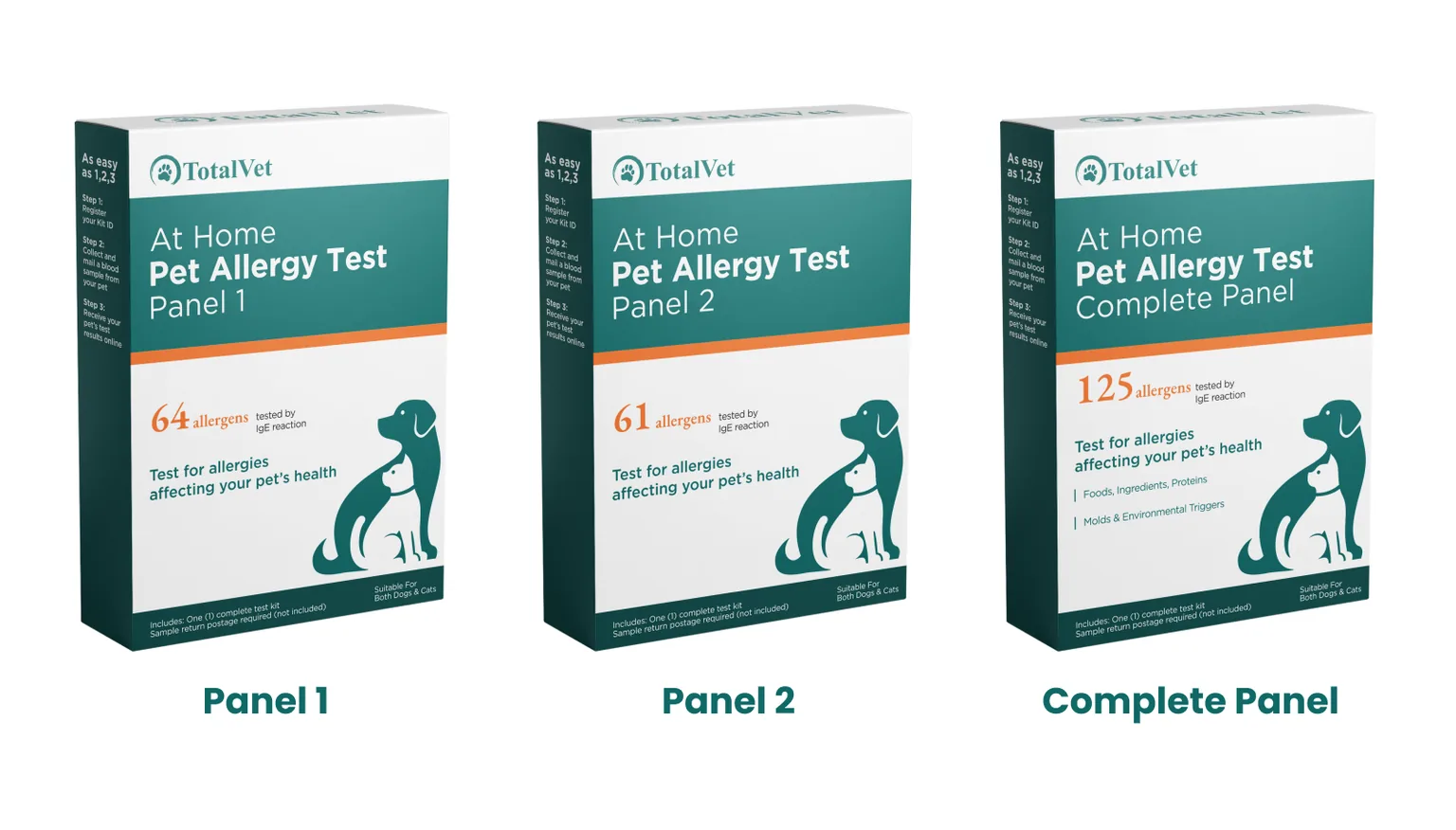
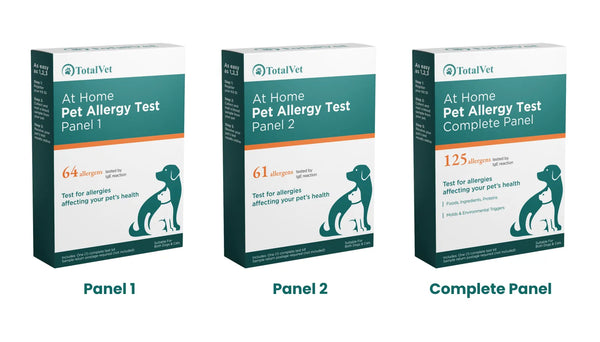
The test measures allergen-specific IgE antibodies, which are immune markers linked to true allergies. The panel checks up to 125 environmental and food allergens. Available panel choices are Panel 1, Panel 2, and Complete Panel. Prices range from $174.99 to $229.99, depending on the selected option.
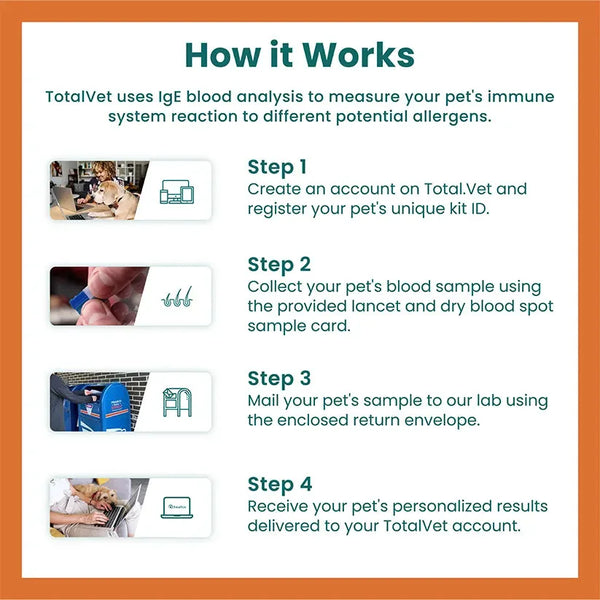
For collection, the kit uses a few drops of blood on a collection card. You return the sample by mail, and results are posted online in a format you can share with your vet. The sample is analyzed by an accredited laboratory. That gives you a set of screening results to bring into a veterinary conversation, not a diagnosis on its own.
This can be a useful starting point if your dog has ongoing itching, paw licking, or recurring ear trouble. Food and environmental triggers can cause similar signs, so a panel may help you organize questions. But an IgE result doesn’t confirm that a food causes your dog’s symptoms. A veterinarian may still recommend a controlled food trial to test that link.
One trade-off is the sample type. Many home sensitivity kits use hair, while this allergy test uses a blood spot. Choose based on the kind of screening you want and what sample collection your dog can manage. If your dog is very stressed by handling, ask your vet how to collect the sample safely.
2. Dog Intolerance Test
Dog Intolerance Test is a mail-in hair test that uses bioresonance technology to assess more than 1,000 potential sensitivities. It’s best for dog owners who want a broad hair-sample screen and a report to discuss with their vet.
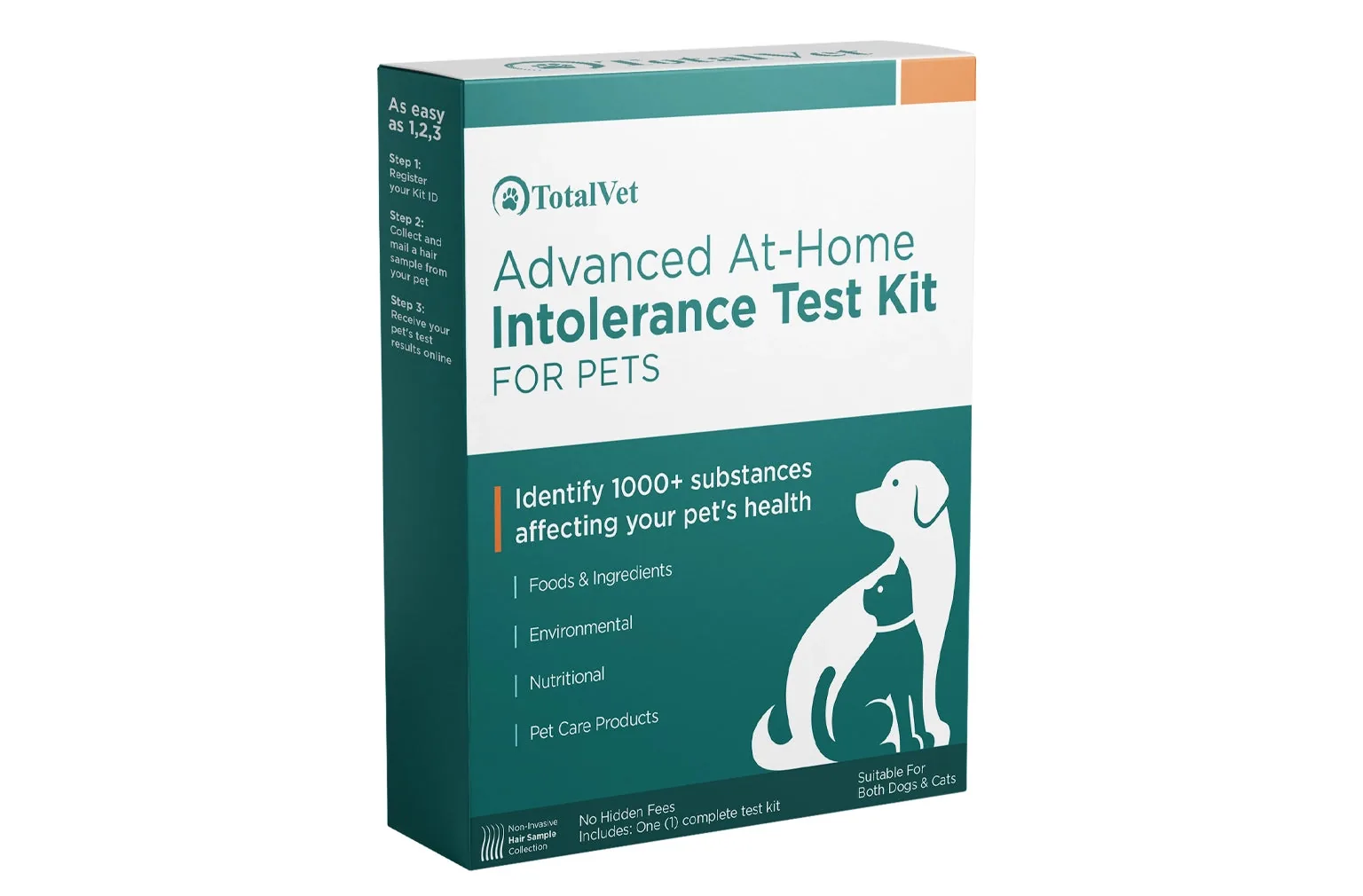
The current price is $99.99. The test is suitable for all dog breeds. You collect a hair sample at home, return it by mail, and access the results online. This may suit a dog who is difficult to manage for a blood sample, though you should follow the kit’s collection instructions closely.
It’s important to keep the word “intolerance” in view. An intolerance screen is not the same as a veterinary diagnosis of food allergy. The test’s count of potential sensitivities describes its screening scope. It doesn’t mean that every flagged item is causing a reaction or should be removed from your dog’s diet.
That distinction matters when your dog has itchy skin or digestive signs. Those symptoms can overlap with food allergy, environmental allergy, parasites, infection, and other health concerns. A broad list may feel clear at first, but changing several ingredients at once can make it harder to learn what actually helps.
If you choose this option, treat its report as a discussion aid. Note the foods your dog currently eats, including treats and flavored chews. Share that list with your veterinarian before changing the diet. Your vet can help decide whether an elimination trial makes sense and how to keep it nutritionally appropriate.
A hair test is also a different kind of screen than the blood-based Dog Allergy Test above. The two should not be read as interchangeable methods. If your main question is whether a specific food causes a true allergic reaction, ask your veterinarian about the diagnostic plan before relying on any home sensitivity result.
For a dog that can provide a hair sample more easily than a blood spot, this is the lower-priced TotalVet option. The next step still belongs in a conversation with your vet, especially if symptoms are severe or ongoing.
3. Cat Allergy Test
Cat Allergy Test is a mail-in blood test made for cats, not dogs. It’s best for a household where the cat also has possible allergy signs and needs a separate screen.
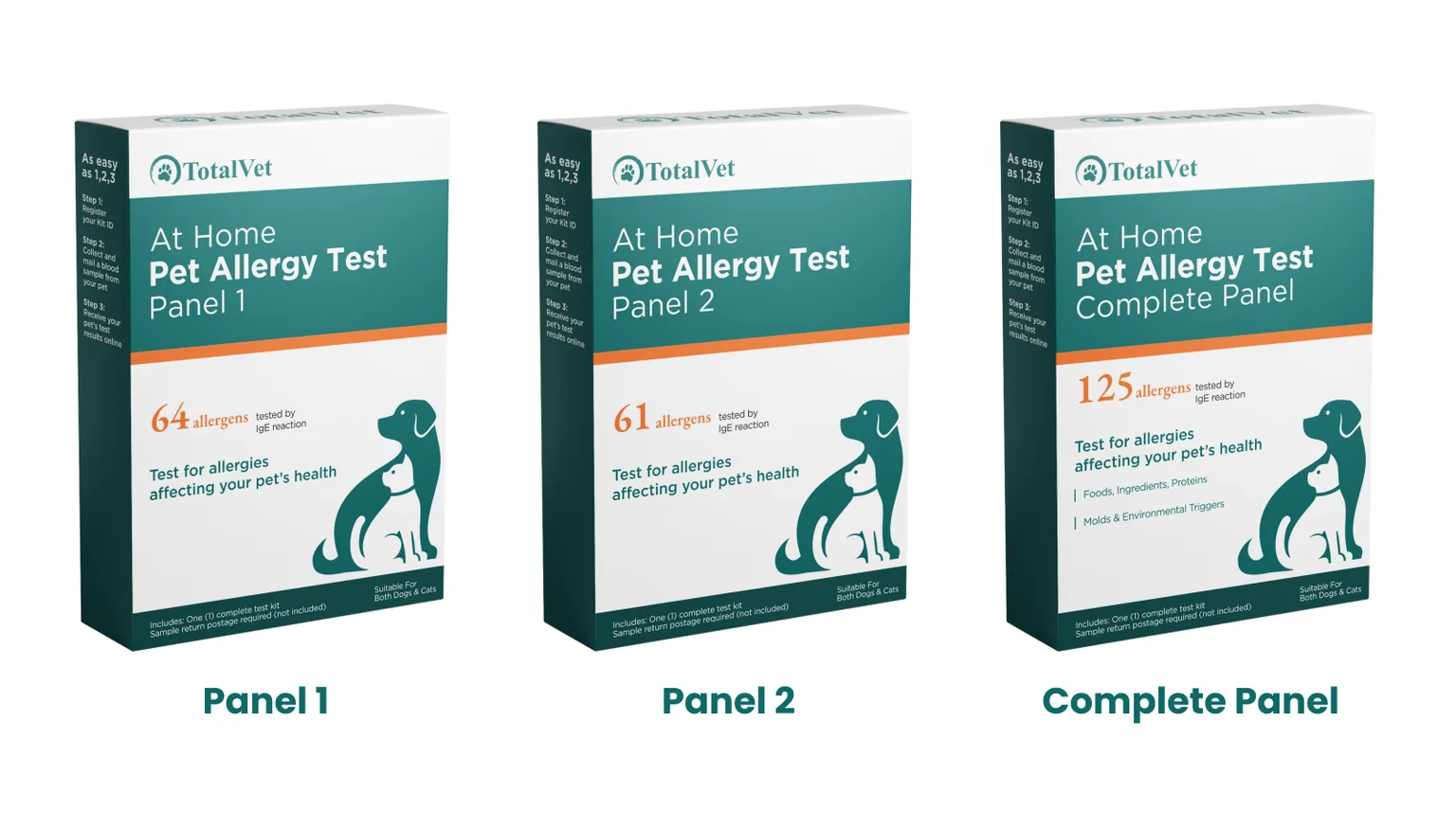
The test measures allergen-specific IgE antibodies across up to 125 food and environmental allergens. It uses a few drops of blood collected on a card at home. The sample is mailed for accredited-lab analysis, and the online results are formatted to share with a veterinarian. Available choices are Panel 1, Panel 2, and Complete Panel. Prices range from $174.99 to $229.99.
Why include a cat test in a list about dog food sensitivity? Because people often manage more than one pet, and a cat’s food or symptoms can be mistaken for the dog’s. Keeping the species straight helps avoid mixing up reports, diets, or veterinary advice. This kit is not an option for testing your dog.
If both pets have skin or stomach concerns, give each animal its own symptom notes and food history. A change in one pet’s diet should not be assumed to explain the other pet’s signs. Bring the separate records to each animal’s veterinary visit.
Like the dog version, the cat test is a screening tool to support a vet discussion. A flagged food result doesn’t establish that the ingredient caused a reaction. Your veterinarian can weigh the report against the cat’s history and decide whether another test or a structured food trial is needed.
For U.S. pet owners caring for both cats and dogs, the species-specific kit makes the intended use clear. Choose this one only for your cat; use the dog-specific option for a canine family member.
4. Pet Allergy Test
Pet Allergy Test is a mail-in blood test for dogs and cats. It’s best for pet owners who want one general product page for a pet allergy screen across food and environmental allergens.
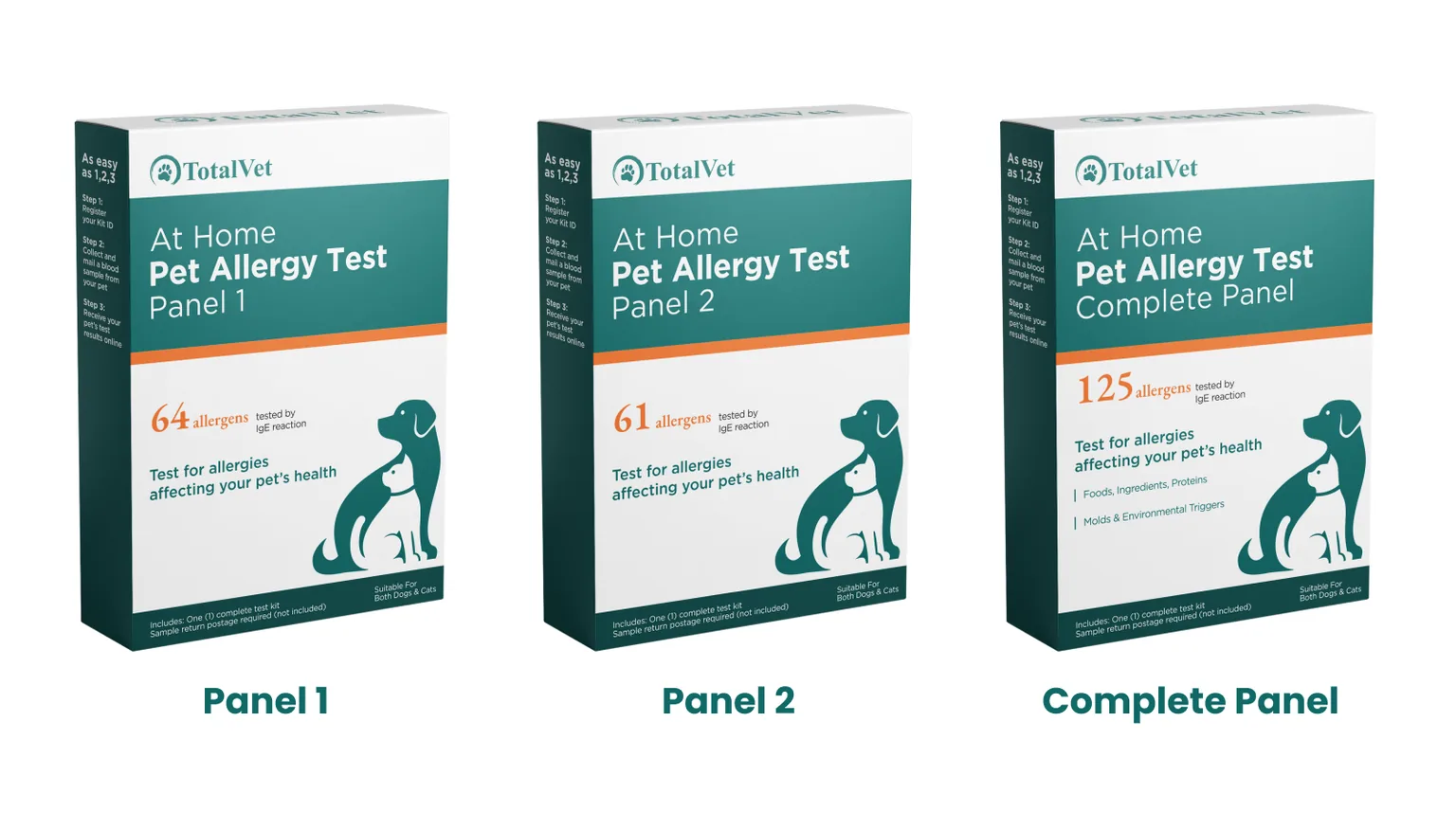
The test measures allergen-specific IgE antibodies and checks up to 125 allergens. You collect a few drops of blood on a card, mail the sample, and view the results online. The report is designed to share with your vet. Panel 1, Panel 2, and Complete Panel are available, with prices ranging from $174.99 to $229.99.
This option has the same stated sample type and allergen scope as the species-specific allergy listings. It may make sense if you’re comparing the general pet page with the dog or cat page before choosing. Check that you select the right panel and use the kit for the correct pet.
Results can help frame questions about possible triggers. They don’t replace a physical exam or a review of symptoms. If your dog has a year-round itch, repeated ear trouble, or digestive signs, your vet may need to look at causes beyond food sensitivity before suggesting a plan.
Allergy tests and food intolerance screens answer different kinds of questions. The Pet Allergy Test measures IgE markers associated with true allergies. The Dog Intolerance Test is a hair-based bioresonance screen for potential sensitivities. Neither result should be treated as permission to remove a long list of foods without veterinary guidance.
For most readers focused only on a dog, start by comparing the dog-specific allergy and intolerance tests. The general pet listing is useful when you’re also considering testing a cat or want to review the shared allergy-test format.
At-a-Glance Comparison of TotalVet’s Dog-Relevant Tests
The sample type is a key difference between TotalVet’s dog-relevant options. The allergy test uses a blood spot and checks IgE markers. The intolerance test uses hair and assesses potential sensitivities with bioresonance technology. The cat test is included for households with more than one pet, but it is not for dogs.
| Option | Who it’s for | Sample and stated scope | Price | Useful next step |
|---|---|---|---|---|
| Dog Allergy Test | Dogs and cats | Blood spot; up to 125 food and environmental allergens | $174.99 to $229.99 | Share the online report with your vet |
| Dog Intolerance Test | Dogs of all breeds | Hair; over 1,000 potential sensitivities | $99.99 | Review any diet changes with your vet |
| Cat Allergy Test | Cats only | Blood spot; up to 125 food and environmental allergens | $174.99 to $229.99 | Keep the cat’s records separate from the dog’s |
| Pet Allergy Test | Dogs and cats | Blood spot; up to 125 food and environmental allergens | $174.99 to $229.99 | Choose the correct panel for your pet |
Price alone won’t tell you which test fits. The Dog Intolerance Test costs less and screens a larger number of potential sensitivities. The Dog Allergy Test costs more, uses a blood sample, and measures IgE markers across a smaller panel. A larger panel count does not prove that a result is more accurate or more useful for your dog.
Hair-based tests are common in the at-home sensitivity market, but collection details differ by kit. For TotalVet’s Dog Intolerance Test, the catalog specifies a hair sample. The allergy kit uses a blood spot. Think about which sample your dog can provide calmly, then consider what question you want the result to help you discuss with your vet.
Cost and coverage also need context. Panel sizes and prices vary between kits, so it is it more useful to compare the method, sample, and intended use than to shop by the biggest number alone.
For a dog with suspected food allergy, the main question isn’t which panel has the most entries. It’s what process can confirm whether a food causes the signs. A veterinarian-guided elimination diet remains the key diagnostic route for that question.
What to Check Before Relying on a Dog Food Sensitivity Test
First, look at the question you need answered. A dog food sensitivity test may screen for possible reactions, but it isn’t automatically a way to confirm a food allergy. Veterinary allergy care often starts with a history and exam, then rules out other causes before a test or diet plan. A blood test, if used, usually comes after other causes have been considered, and food triggers may still need an elimination trial.
Food allergy signs can include itch, especially around the paws, face, ears, or belly. Some dogs also have digestive symptoms. Environmental allergy, flea allergy, and skin infection can look similar. A vet can help sort through those possibilities instead of assuming that a food is to blame.
What a vet-guided food trial involves
A veterinarian may recommend a diet with a novel protein your dog hasn’t eaten before, or a hydrolyzed diet with proteins broken into smaller parts. The dog eats only the trial diet for the period set by the vet, often around eight to twelve weeks. If signs improve, a planned return to the old food can help confirm the link.
During a trial, consistency matters. Treats, table scraps, flavored chews, and even some flavored medications may add ingredients outside the plan. Ask your veterinarian what your dog can have. Let everyone who feeds or walks your dog know the rules, and keep simple notes on symptoms each week.
Don’t start a restrictive diet on your own if your dog is a puppy, has another health condition, or is losing weight. Your vet can help pick a complete diet and decide how to keep your dog comfortable while the trial runs. They may also treat skin inflammation or a secondary infection. For some environmental allergies, veterinary care may include immunotherapy, which aims to change the response to specific triggers.
How to handle a home test report
Read the result as a screening clue, not a final diagnosis. Keep the report with your dog’s food history and symptom notes. Then ask your vet which findings, if any, fit the pattern. Avoid dropping several foods at once based only on a home report. That can make it harder to see what changed and may narrow your dog’s diet without a clear reason.
Stool analysis answers a different question. It looks at stool-related health information rather than measuring food allergy. If your dog’s main issue is ongoing diarrhea or another digestive change, ask your vet whether a stool test belongs in the workup. The right test depends on the symptom and the question you’re trying to answer.
Dog Food Sensitivity Test FAQs
Can a home test diagnose a food allergy in my dog?
No, a home sensitivity screen can’t confirm a food allergy by itself. It may give you information to discuss with your veterinarian, but food allergy diagnosis usually relies on a controlled elimination diet followed by a planned food challenge. Ask your vet before removing ingredients, especially if your dog has ongoing symptoms or needs a special diet.
What’s the difference between an allergy and an intolerance test?
An allergy test may measure immune markers such as allergen-specific IgE. An intolerance screen uses a different method and does not establish the same immune response. Read what the specific kit measures, then ask your veterinarian how to interpret its results. The term “sensitivity” can cover different approaches, so don’t assume two tests answer the same question.
How long should a dog stay on an elimination diet?
A veterinary food trial often lasts eight to twelve weeks, though your veterinarian will set the plan for your dog. During that time, follow the diet exactly, including rules for treats and flavored products. If signs improve, your vet may recommend reintroducing the former food to check whether symptoms return.
When should I contact a veterinarian about itching or stomach problems?
Contact your veterinarian when symptoms keep coming back, worsen, or disrupt eating and sleep. Get prompt care for severe symptoms such as trouble breathing, repeated vomiting, or marked weakness. Itching and digestive changes can have causes beyond food, so a vet exam helps determine what needs attention first.
Conclusion
If you want an at-home screen for possible food and environmental allergy triggers, start by comparing the Dog Allergy Test with your veterinarian’s advice. If you’re considering the hair-based intolerance screen, ask how its results should guide next steps. Before changing your dog’s diet, share the report and symptom notes with your vet.