When your dog keeps itching or has recurring stomach trouble, food may be one cause, but it isn’t the only one. Dog food allergy testing can mean very different things: a strict diet trial can confirm a food allergy, while many mail-in tests can only offer clues to discuss with your vet.
We analyzed 81 comments and questions from YouTube, Reddit and Quora about dog food allergy testing and found that 31% mentioned specific diet formulations.
What Counts as a Food Allergy in Dogs?
A food allergy is an immune reaction to something in a dog’s diet, often a protein. The immune system reacts to an ingredient the dog has eaten before. A food intolerance is different. It can cause stomach upset without involving the immune system.
The two can look alike at home. Vomiting or loose stool, for example, doesn’t show on its own whether an immune reaction is at work. Vets may use the broader term adverse food reaction when the exact cause is not yet known.
Dogs can react to many ingredients. Common reported food allergens include beef, dairy, chicken, wheat, and lamb. Soy, corn, eggs, pork, fish, and rice can also be involved. These are possible triggers, not a list of foods every dog needs to avoid.
Food allergies may appear after a dog has eaten the same ingredient for a long time. A familiar food isn’t automatically ruled out. And a new symptom after a food change doesn’t prove the new food caused it.
Food can also reach your dog in less obvious ways. Treats, table scraps, supplements, and flavored medicines may contain ingredients that aren’t part of the main diet. A vet will ask about these during a diet review, since even a small extra can affect a food trial.
The clearest way to confirm a food allergy is to feed a strict elimination diet, then reintroduce the old food in a controlled challenge. The Merck Veterinary Manual’s overview of food allergy describes this elimination-and-challenge approach as the reliable way to prove a food allergy.
If you’re sorting out possible food triggers, our guide to common food allergies in dogs explains how common ingredients fit into the bigger picture. Keep in mind that an ingredient’s reputation isn’t a diagnosis for your dog.
Signs That May Point to a Food Allergy, and Other Possible Causes
Ongoing itch is a common sign. A dog may lick or chew at the paws, rub the face, scratch the ears, or have irritated skin on the belly. Repeated ear trouble or skin infections can also occur. These signs can come and go, but food-related symptoms are often present throughout the year.
Some dogs also have digestive signs. These can include vomiting, diarrhea, gas, soft stool, or more frequent bowel movements. Skin and stomach signs may happen together, but a dog can have food-related skin trouble without clear digestive symptoms.
The same signs can come from other causes. Fleas, mites, yeast, bacterial skin infections, and environmental allergies can all lead to itch. Environmental triggers may cause symptoms that look much like food allergy. A dog can also have more than one issue at once, so finding one cause may not make every symptom disappear.
That overlap is why it’s risky to diagnose from symptoms alone. Your vet may check for parasites or infection, review flea control, and ask when the signs began. The pattern matters too. For example, an itchy dog with repeated ear infections and soft stool still needs an exam; those details point to questions, not a confirmed answer.
Food allergy can start at many ages. A dog doesn’t have to be a puppy, and a long history of eating one food without trouble doesn’t rule it out. Tell your vet about changes in food, treats, medication, and symptom timing. Photos or a simple daily log can help you describe what you see between visits.
Seek veterinary care when itching or digestive trouble keeps returning, gets worse, or affects your dog’s comfort. Your vet can check for problems that need treatment now, such as a skin or ear infection, while planning how to investigate food. Don’t stop prescribed medicine or start a restrictive diet without asking what’s safe for your dog.
For an overview of common signs and possible triggers, TotalVet’s article on food allergies in dogs can help you prepare questions for the visit. It can’t replace an exam, especially when the symptoms are painful or getting worse.
How Dog Food Allergy Tests Differ, and What They Can Establish
The word test can mean a clinic test, a diet trial, or a kit sent to your home. They don’t answer the same question. For a suspected food allergy, the key question is whether removing a food improves signs and whether bringing it back causes them to return.
| Method | What happens | What it can help establish | Key limit |
|---|---|---|---|
| Elimination diet and food challenge | Your dog eats a vet-selected diet without other foods, then the old diet is reintroduced under guidance. | Whether signs improve on the diet and recur after challenge. | It takes weeks and depends on strict feeding. |
| Blood or saliva panel | A sample is analyzed for reactions to listed food items. | May provide findings to discuss with your vet, depending on the test. | These panels have not been shown to reliably diagnose food allergy. |
| Hair or intolerance panel | A hair sample is assessed using the test provider’s method. | May give the owner a set of reported sensitivities to review. | A result does not confirm an immune-based food allergy. |
| Intradermal skin test | A veterinary dermatologist tests skin responses to environmental allergens. | Can help guide work on suspected environmental allergy. | It isn’t a way to confirm a food allergy. |
Blood testing has a role in some allergy workups, but context matters. A vet may use blood or intradermal testing to help identify environmental triggers in a dog already assessed for allergic skin disease. That is different from using a blood panel to identify a food allergy. For suspected food allergy, the diet trial remains the key diagnostic method.
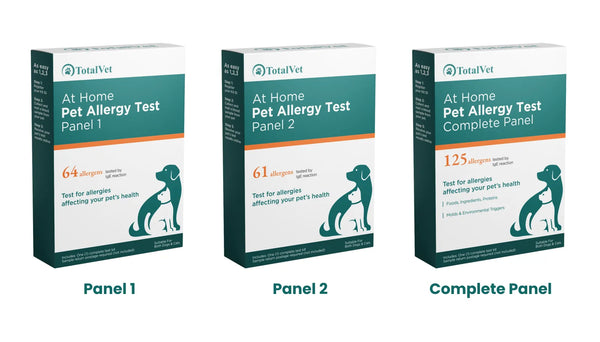
TotalVet’s At-Home Allergy Test Kit is an at-home blood test for food and environmental allergens. The company describes its results as potential triggers, with online results that can be shared with a veterinarian. Those results may support a discussion, but they don’t replace a food elimination trial or confirm that a listed food causes your dog’s symptoms.
That distinction matters when you see a long panel of ingredients. A high number of items tested doesn’t show that the method can diagnose a food allergy. It also doesn’t mean your dog should avoid every item flagged. Ask your vet how a result relates to the symptoms and what, if anything, should change.
For dog food allergy testing, diagnostic accuracy depends on the question being asked. A food trial with a challenge addresses whether eating a food brings symptoms back. An environmental allergy test has a different use. And an at-home panel should be treated as supporting information, not a stand-alone diagnosis.
If you’re weighing a sample-based test against a diet trial, our Dog Allergy Test information explains what TotalVet’s at-home test is designed to report. Bring any results to your vet before changing your dog’s diet or treatment plan.
The Elimination Diet: The Main Diagnostic Approach
An elimination diet is a planned feeding trial, not simply a switch to a food labeled limited ingredient. Your vet chooses a diet based on your dog’s food history and health. It may be a veterinary hydrolyzed-protein diet, a veterinary novel-protein diet, or a properly balanced home-prepared diet.
A hydrolyzed diet contains proteins broken into smaller pieces. The aim is to reduce the chance that the immune system recognizes them in the same way as intact proteins. A novel-protein diet uses a protein your dog hasn’t eaten before, so your vet needs a careful history of past foods and treats. Finding a truly new protein can be hard if your dog has tried many diets.
For a home-prepared plan, ask your vet whether a veterinary nutritionist should formulate it. A recipe that seems simple may not contain the right balance of nutrients for long-term feeding. The trial diet is selected for your dog’s needs, not just because one ingredient sounds unusual.
What strict feeding means
During the trial, feed only the approved diet and water unless your vet gives other instructions. That means no treats, table food, chews, supplements, or flavored medication unless your vet approves them. Check with the vet before changing parasite prevention or any medicine. Some products have flavors or ingredients that can interfere with the plan.
Keep other pets’ food out of reach. Watch for scavenging on walks or food dropped by children. Even a small extra can make it hard to know whether the trial diet worked. If a slip happens, tell your vet rather than hiding it; they can help decide whether the trial needs more time.
Skin signs can take several weeks to improve, and your vet may recommend a trial lasting up to 8 to 12 weeks. Digestive symptoms may change sooner. Write down itch, ear problems, stool changes, and any accidental foods. That record gives you and your vet a clearer view than memory alone.
Why the food challenge matters
If signs improve, the next part is to reintroduce the former food under veterinary guidance. If the old symptoms return, that supports a food-related cause. Then your vet may help you identify specific ingredients by testing them one at a time. Don’t rush this part or test several foods at once, because you may not know which one caused a flare.
Improvement during the diet alone is not proof. A skin infection may have cleared at the same time, or another treatment may have helped.
Once a trigger is confirmed, your vet can help choose a complete long-term diet that avoids it. The goal is to keep your dog nourished while limiting the foods that bring signs back. Ask before adding supplements or starting a rotation plan; changing several parts of the diet at once can make symptoms harder to track.
At-Home Allergy and Intolerance Tests: Their Role and Limits
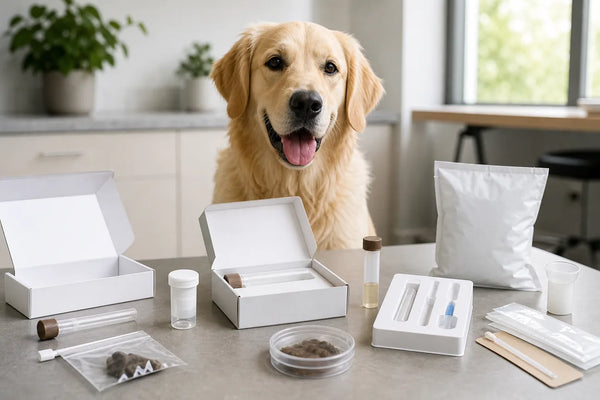
At-home kits appeal to owners who want a simple way to collect a sample and organize results. Test types can include blood, hair, or saliva. The sample method alone doesn’t tell you how well a test can diagnose a food allergy. The test’s purpose and evidence for its method matter more.
Blood allergy testing has a recognized role in some veterinary workups for environmental allergy. A vet may use it, or intradermal testing, to help choose allergens for immunotherapy after assessing the dog. But blood tests that report food allergens don’t replace an elimination diet. A panel result can’t show by itself that a food is causing the symptoms.
Hair and saliva tests marketed for food reactions have an even clearer limit: they have not been shown to reliably diagnose food allergy in dogs. A long list of reported sensitivities may feel precise, but it does not establish which ingredients trigger an immune response. Be careful about removing many foods based on a panel alone. A narrow diet can create feeding challenges without confirming the cause.
TotalVet sells at-home allergy tests for dogs and cats, with lab analysis and results intended to help owners understand potential triggers. We see these results as information to share with your veterinarian, not a substitute for veterinary care. If your dog has signs that may point to a food reaction, ask whether a formal diet trial is still needed.
Some tests are marketed for intolerance or broader sensitivity rather than allergy. Those terms aren’t interchangeable. A food intolerance doesn’t involve the same immune response as a true allergy, and both can cause digestive trouble. Ask the test provider and your vet what the result can support before you make a diet change.
Also ask what you’ll do with a result. If a report suggests avoiding a food your dog currently eats, discuss that finding with your vet before removing it. Your vet can help weigh the report against the dog’s history and decide whether a diet trial, exam, or another workup makes more sense.

For environmental allergy testing, VCA explains that blood testing can help identify environmental allergens for a treatment plan. It also notes that food allergy panels don’t replace a diet trial. That’s the useful distinction: a test can have a role without answering every allergy question.
Understanding Results and Discussing Next Steps With Your Vet
Start with the question a result can answer. A positive item on a home test is not the same as a confirmed food allergy. A diet trial that improves signs, followed by a controlled challenge that brings them back, provides a stronger basis for diagnosis. Your vet can help interpret both the report and the dog’s symptoms.
Bring the report and a short food history to your appointment. Include the main diet, past diets, treats, chews, supplements, and flavored medicines. Note when the symptoms began and whether they change after a meal or during certain seasons. If you’ve taken photos of skin or ear changes, those may help show how the problem has shifted.
Ask direct questions: Does this result change the plan? Should we check for fleas, infection, or environmental allergy first? Is a diet trial suitable for my dog? Which foods and medicines are allowed during it? What should I do if symptoms worsen? Clear answers can prevent a well-meant diet change from obscuring the cause.
During a trial, agree on how long to continue and when to check in. The vet may also treat infections or manage itch while the diet is underway. Don’t stop a prescribed medicine just to make a test easier unless your vet tells you to. Some dogs need symptom relief while the cause is being investigated.
If a food allergy is confirmed, avoiding the trigger is the main long-term approach. Your vet can help select a complete food that suits your dog’s history. A home-cooked plan may need professional formulation. If symptoms only improve partway, another condition may also be present, and the plan may need to address both.
Some dogs have a good response to the first diet. Others need another option or more time. If your dog has severe vomiting, marked weakness, swelling, breathing trouble, or rapidly worsening skin signs, seek veterinary help promptly rather than waiting for a food trial to finish.
TotalVet’s online results can be shared with your veterinarian, which may make it easier to include the report in a discussion. The test doesn’t diagnose the cause of symptoms on its own. Think of it as one piece of information your vet can consider alongside the exam and diet history.
Even after symptoms improve, avoid adding foods back casually if a vet-guided challenge is underway. A planned challenge gives you clearer information. If you’re unsure whether a treat or medication fits the trial, ask before giving it.
Dog Food Allergy Testing FAQs
Can I test my dog for a food allergy at home?
You can collect a sample for an at-home test, but that result alone can’t confirm a food allergy. Blood, hair, and saliva panels haven’t been shown to reliably diagnose food allergy in dogs. A vet-guided elimination diet followed by a food challenge is the main way to confirm it. Ask your vet how to use any home-test report.
What is the most accurate test for dog food allergies?
A strict elimination diet followed by a controlled food challenge is the most reliable way to confirm a food allergy. Your dog eats a vet-selected diet without other foods, then the former diet is reintroduced under guidance. Improvement alone is not enough to confirm the cause; symptoms returning after challenge helps complete the diagnosis.
How long does a food allergy test take for a dog?
A diet trial for skin signs often takes several weeks, and your vet may recommend 8 to 12 weeks before judging the response. Digestive signs may change sooner. The food challenge adds more time, since your vet will monitor whether signs return. At-home test turnaround times vary by provider and don’t replace the diet trial.
Can a blood test diagnose a food allergy in dogs?
A blood panel that lists food reactions cannot reliably diagnose a food allergy in dogs. Blood tests may be used in a different context to help assess environmental allergens in dogs with allergic skin disease. For a suspected food allergy, ask your vet about an elimination diet and controlled challenge rather than relying on a panel alone.
What foods are dogs most often allergic to?
Commonly reported triggers include beef, dairy, chicken, wheat, and lamb. Other foods can also cause a reaction, and a dog can become allergic to an ingredient it has eaten before. Don’t remove foods just because they appear on a common-trigger list. Your dog’s history and a vet-guided trial help identify what matters for that dog.
Conclusion
If you suspect a food allergy, start with your veterinarian and ask whether a strict elimination diet is right for your dog. At-home results may help organize questions, but they don’t confirm the cause. For a useful next step, review TotalVet’s guide to dog allergy test options and costs before discussing testing with your vet.