When your dog keeps having stomach trouble, itchy skin, or both, it’s easy to get stuck guessing. A dog gut health test can mean several different things, though, and these five TotalVet products test for allergies or sensitivities, not stool microbes. Here’s what each one measures and when a stool test may be a better fit.
1. Dog Allergy Test
The Dog Allergy Test is a mail-in blood test for dogs with signs such as repeat ear trouble, paw licking, or ongoing scratching. It measures allergen-specific IgE, an immune marker associated with true allergies, across up to 125 food and environmental allergens.
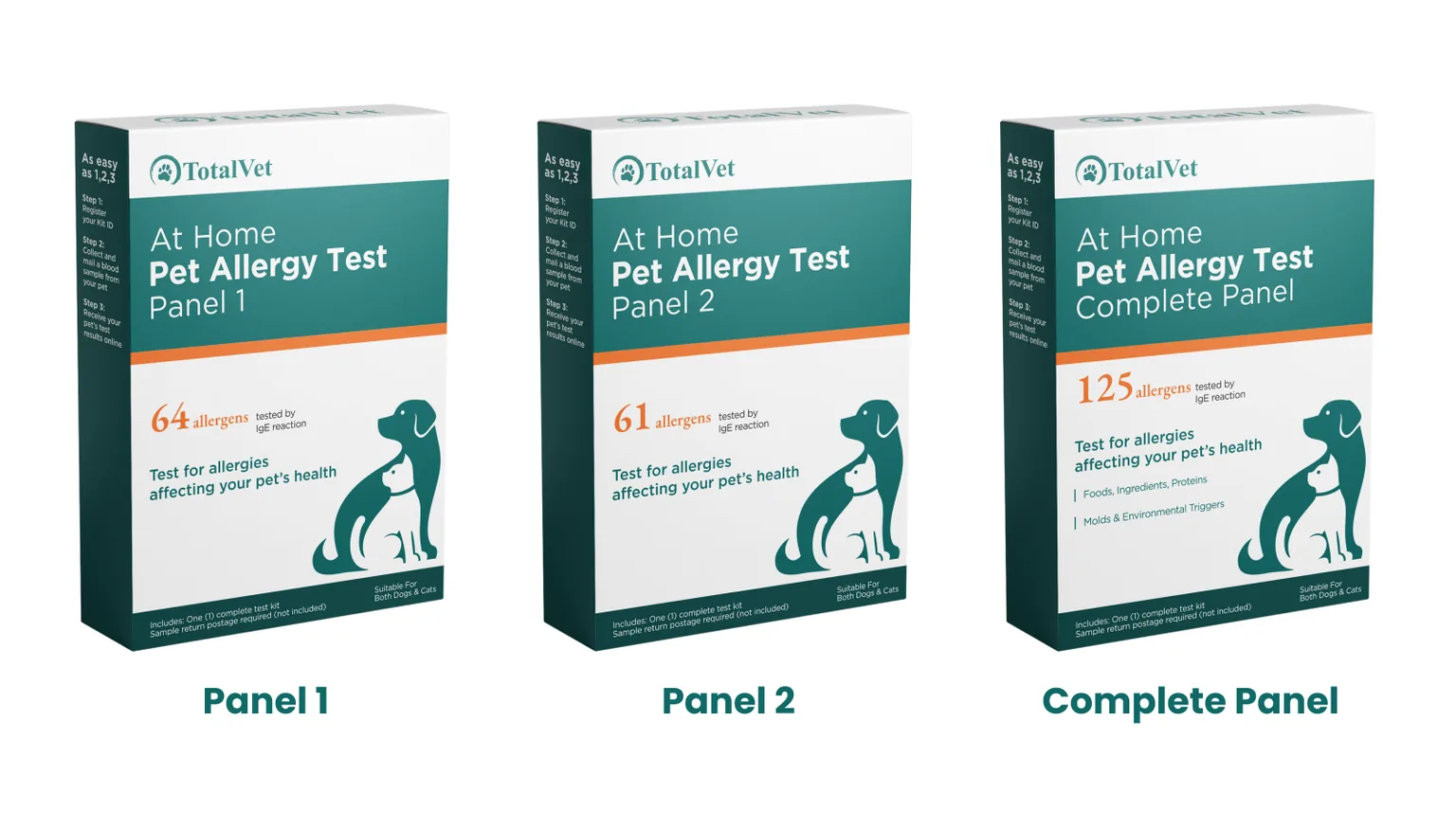
It may suit you if your main question is whether certain allergens could be linked to your dog’s skin or ear symptoms. The sample is collected at home using a few drops of blood, then mailed for accredited lab analysis. Results are provided online in a format you can share with your vet.
The available panel options are Panel 1, Panel 2, and Complete Panel. Current prices range from $174.99 to $229.99, depending on the selected option. Check the panel details before ordering so the test fits the question you want to discuss with your veterinarian.
But this isn’t a microbiome test. It doesn’t use stool to map gut bacteria or check for intestinal parasites. A positive sensitivity result also isn’t, by itself, a diagnosis. Your dog’s signs and health history matter when deciding what to do next.
If you’re weighing the panel choices, our dog allergy test price comparison explains the cost range and what to consider before choosing. Keep the results with a short note about when symptoms started and what your dog was exposed to. That gives your vet useful context for the conversation.
2. Dog Intolerance Test
The Dog Intolerance Test is a mail-in hair test that uses bioresonance technology to analyze more than 1,000 potential sensitivities. It’s designed for dog owners exploring possible sensitivities, not for checking stool or identifying the bacteria in a dog’s gut.
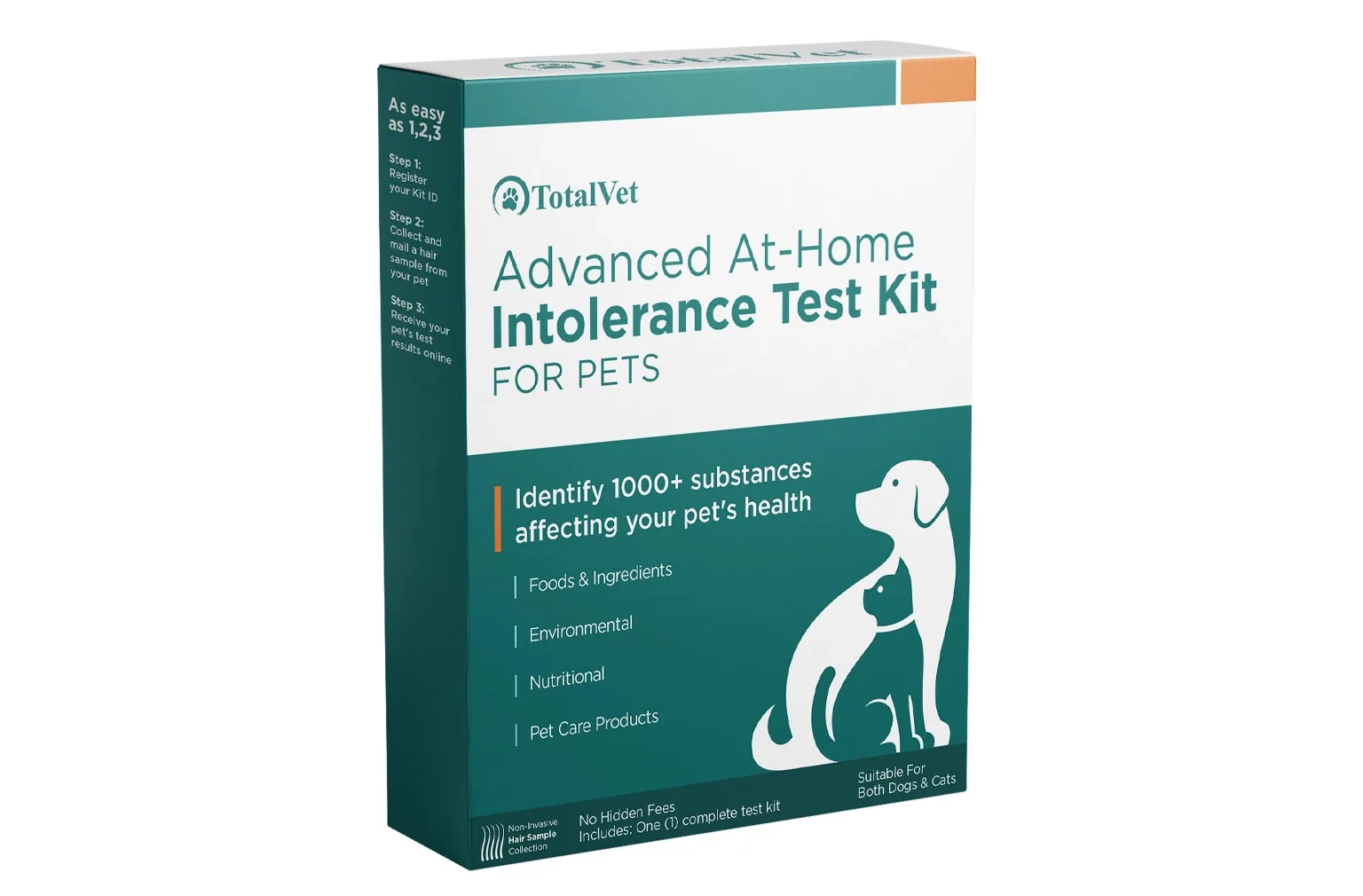
To use the kit, you collect a hair sample at home and return it by mail. Results are available online. The Dog Intolerance Test costs $99.99.
This can be a starting point for a discussion about possible sensitivity concerns. Still, a hair-based sensitivity test does not answer the same question as a stool-based test. If your dog has loose stool, recurring diarrhea, or another digestive change, ask your vet whether a fecal test, parasite screen, or other clinical test is needed first.
That distinction matters. A microbiome test looks at microbes in stool. A sensitivity test looks for a different kind of information. Don’t treat one as a substitute for the other, and don’t make a major diet change based on one result alone.
For a clear overview of gut health concerns and the role of veterinary care, see our dog gut health resource. If symptoms are ongoing, bring their timing and any recent diet changes to your appointment.
3. Cat Allergy Test
The Cat Allergy Test is the cat-specific option for owners investigating possible food or environmental allergy triggers. It measures allergen-specific IgE across up to 125 allergens. The kit uses a few drops of blood collected at home, followed by lab analysis.
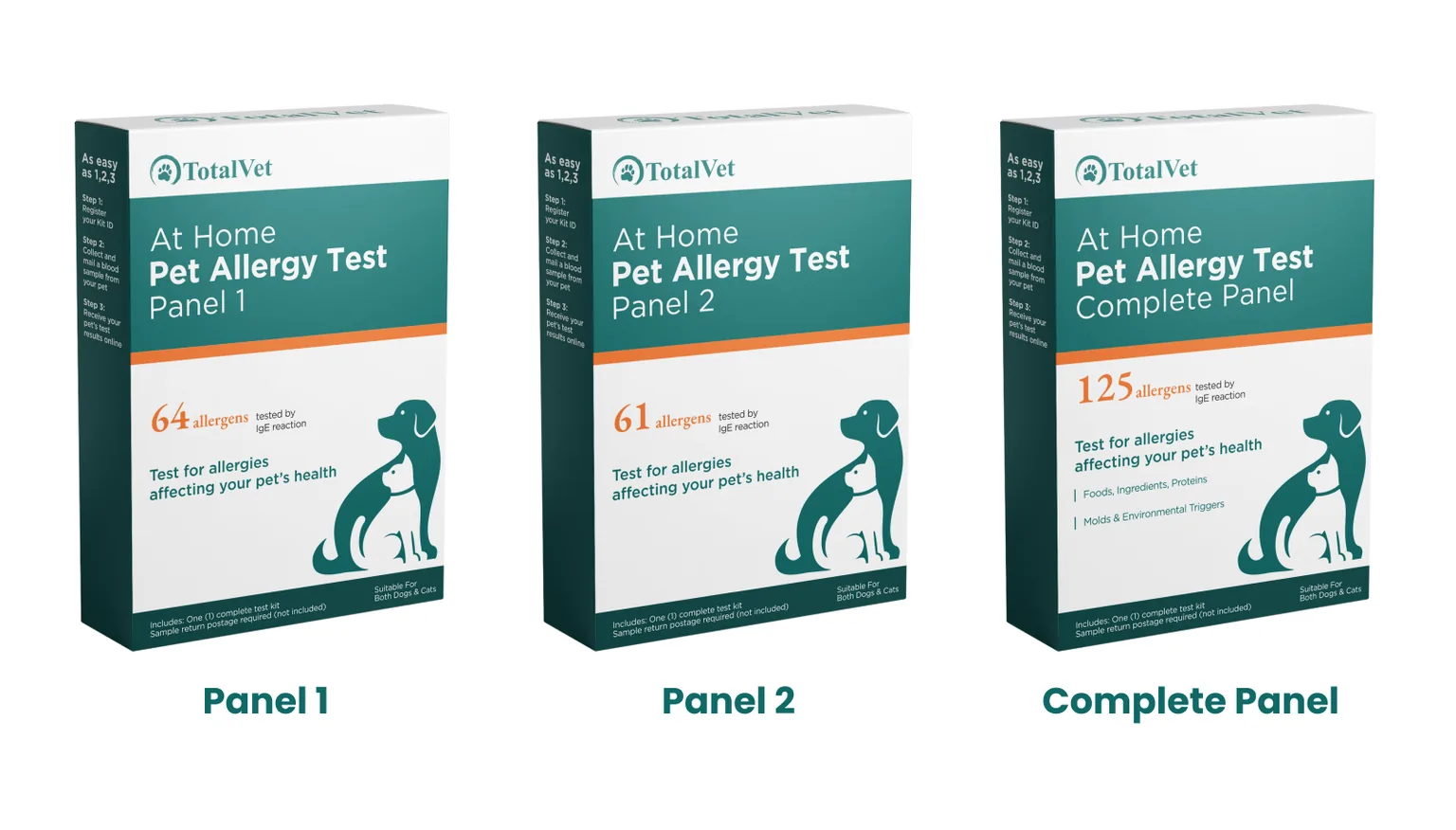
Although this article focuses on dogs, cats live in many of the same households. If you’re comparing tests for both pets, this product has Panel 1, Panel 2, and Complete Panel options. Current prices range from $174.99 to $229.99, depending on the panel.
The results are formatted for sharing with a vet. That handoff is useful: your veterinarian can consider the result beside the cat’s symptoms, medical history, and any other findings. The test is for allergy questions, not a stool analysis or a map of the cat’s microbiome.
Keep the species distinction in mind when choosing a kit. This product is for cats, while the Dog Allergy Test is for dogs. If both animals have symptoms, note which pet has which signs rather than treating them as one shared issue.
For households comparing both species’ allergy panels, our comparison of TotalVet pet allergy tests can help you sort the options. Bring the result to your veterinarian before changing food or starting a new plan.
4. Pet Allergy Test
The Pet Allergy Test is a mail-in allergy test for dogs and cats. It measures allergen-specific IgE across up to 125 food and environmental allergens. At home, you collect a small blood sample, send it for lab analysis, then access the results online.
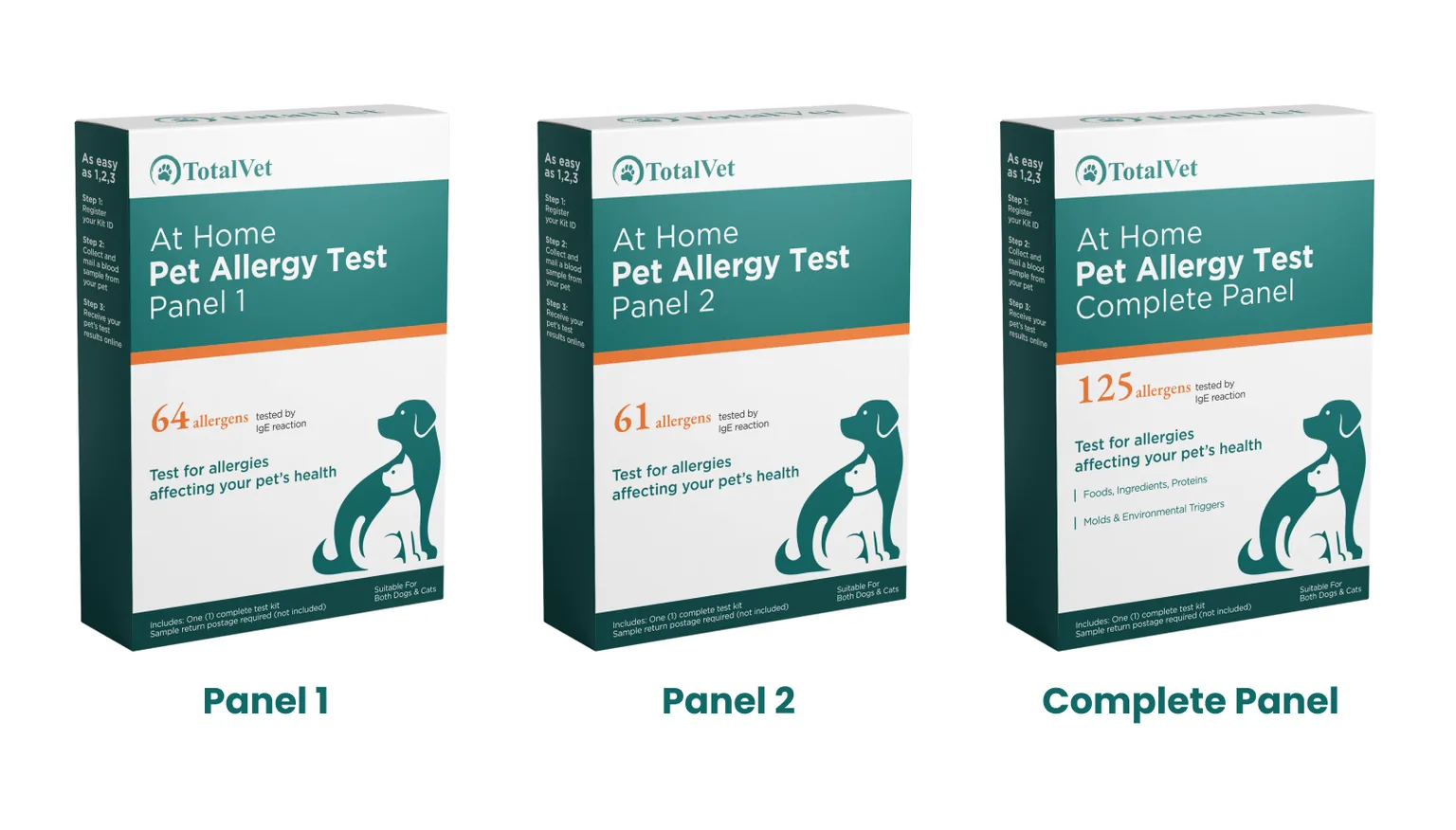
This option may fit a pet owner looking for one product page that covers both dogs and cats. The available panel choices are Panel 1, Panel 2, and Complete Panel. Current prices range from $174.99 to $229.99, depending on the panel selected.
Like the dog-specific and cat-specific allergy kits, this test addresses allergy triggers. It isn’t a stool-based gut test. It won’t provide a stool microbiome profile or check a stool sample for parasites. If the main concern is diarrhea or another digestive symptom, ask your vet what kind of stool testing fits.
Think of the result as information to discuss, not a stand-alone answer to every symptom. Gut signs can have more than one cause, and an allergy panel doesn’t replace an exam or other tests your vet may recommend.
“A test can help frame the next conversation. It doesn’t replace your veterinarian’s assessment.”
When symptoms include both skin and digestive signs, write down each symptom separately. Include when it began and any recent food change. That small record helps your vet decide whether allergy testing, stool analysis, or a different next step makes sense.
5. Cat Intolerance Test
The Cat Intolerance Test is a mail-in hair test for cat owners exploring possible sensitivities. It uses bioresonance technology to analyze more than 1,000 potential sensitivities. You collect a hair sample at home, return it by mail, and access results online.
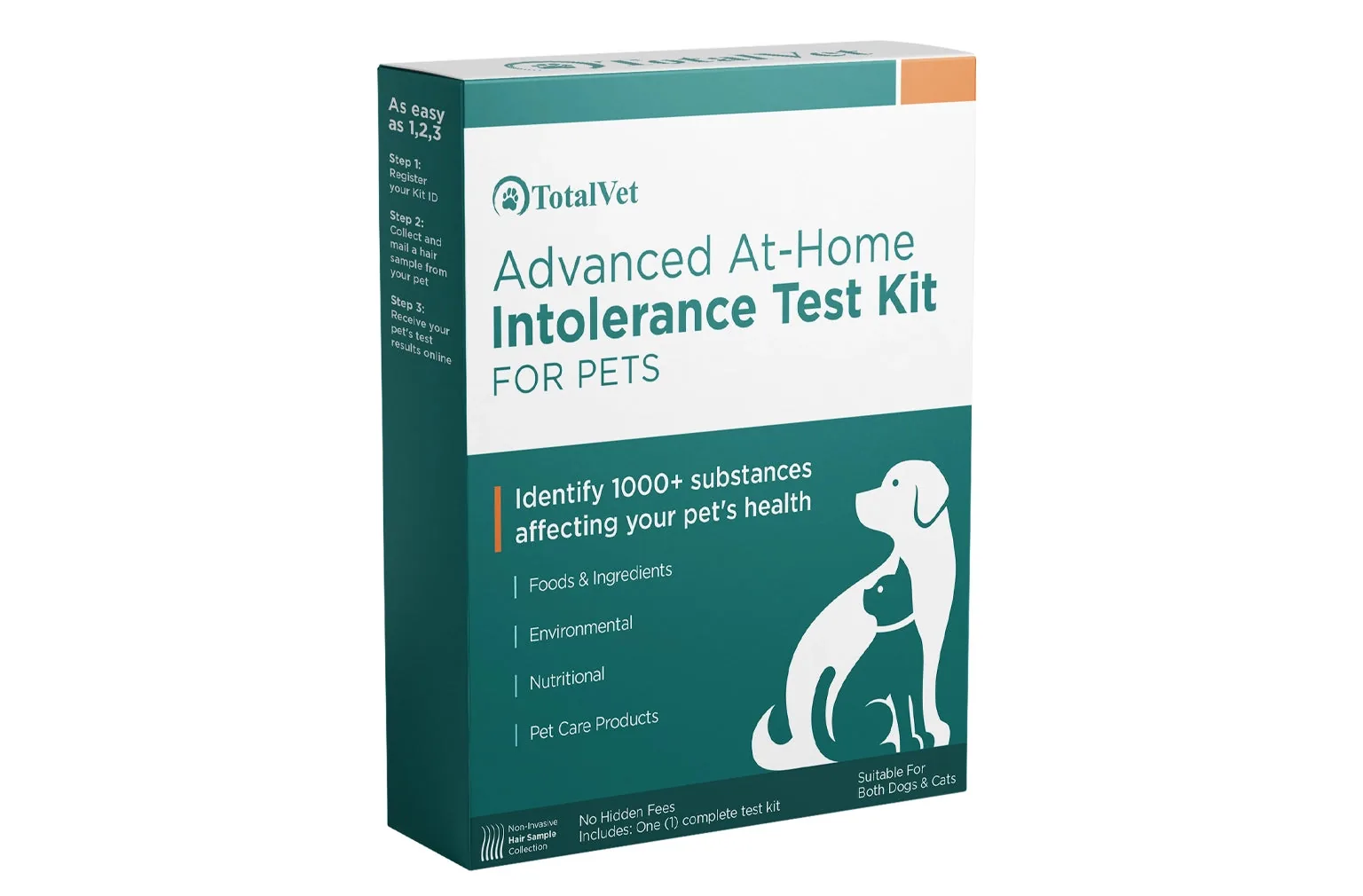
The listed price is $99.99. The product is suitable for cat breeds. As with the dog version, the sample type and test purpose differ from stool microbiome analysis.
Use the table to match the concern to the sample and the type of information. It’s a quick way to avoid buying a sensitivity test when your actual question is about stool or gut microbes.
| Your main question | Test type to discuss | Sample type |
|---|---|---|
| Could an allergen relate to itching or repeat ear trouble? | Allergy test | Blood for the TotalVet allergy products |
| Could a sensitivity be part of the concern? | Intolerance test | Hair for the TotalVet intolerance products |
| Could parasites explain digestive signs? | Veterinary fecal or parasite test | Stool |
| What microbes are present in the gut? | Stool-based microbiome test | Stool |
A stool microbiome test is a different category from all five products in this shortlist. Some stool-based kits analyze gut microbes and return a report that owners can discuss with a veterinarian. For background on what that type of testing covers, read our dog microbiome testing overview.
The TotalVet Cat Intolerance Test is a mail-in kit that uses bioresonance technology to analyze over 1,000 potential sensitivities. Collect your cat’s hair sample, return it by mail, and access the results online.
Frequently Asked Questions
Can a dog gut health test check for parasites?
Some stool tests are made to check for parasites, but the five TotalVet products here are allergy or intolerance tests. They use blood or hair, not stool. If your dog has diarrhea, loose stool, or a sudden digestive change, ask your veterinarian whether a fecal or parasite test is appropriate.
What does a dog microbiome test measure?
A stool-based microbiome test examines microbes found in a stool sample. Depending on the test, the result may describe the gut’s microbial makeup or related markers. It is different from an allergy or intolerance test. Ask your vet how to interpret the report alongside your dog’s symptoms and medical history.
How do I collect a stool sample for a dog test?
Follow the instructions supplied with the stool test, since sample handling can differ by kit. In general, collect the sample as directed, place it in the container or materials provided, and return it using the stated shipping steps. If your dog is unwell, ask your vet before relying on an at-home kit.
Can test results tell me what to feed my dog?
Results may help you shape a conversation about diet, but they shouldn’t be the only basis for a major change. Your vet can weigh the findings against your dog’s symptoms and health history. Ask before adding probiotics, prebiotics, or supplements, especially if your dog has ongoing illness.
Are allergy and intolerance tests the same as gut tests?
No. TotalVet’s allergy products use a blood sample to measure allergen-specific IgE, while the intolerance products use hair to assess potential sensitivities. A stool test examines a different sample and may focus on parasites or gut microbes. Match the test to the concern you’re trying to investigate.
Conclusion
For itching or repeat ear issues, compare the allergy panels; for possible sensitivities, review the intolerance test. For digestive symptoms or questions about gut microbes, ask your veterinarian about stool testing instead. If an allergy kit fits your concern, review TotalVet’s Pet Allergy Test and bring the results to your vet for next steps.